Multi-tenant isolation practices
Most SaaS companies offer multi-tenant models through various isolation practices. Some of the known ones are:
- Isolation by Access Policies
- Isolation by Databases
- Isolation by Kubernetes technologies, such as namespace
- Isolation by standalone deployments on either customer's cloud accounts or private data centers
The operating ecosystem behind every deployment
Besides building SaaS products, the team has to spend time and cost building an operating ecosystem to manage each customer deployment or account setup by each isolation practice. Some of the ecosystem features are:
- Build offering models (multi-step request forms, workflows, inventory models, cost models, service SLAs, etc.)
- Manage each customer's subscriptions, adding more value-add services, & managing end-to-end subscription lifecycle
- Automate each tenant account setup with orchestration workflows that include approvals, SaaS components & cloud deployments, integration with own or 3rd party systems, etc.
- Automate mundane processes, such as audits, compliance assessment, security/risk analysis, and data backup workflows through Robotic Process Automation
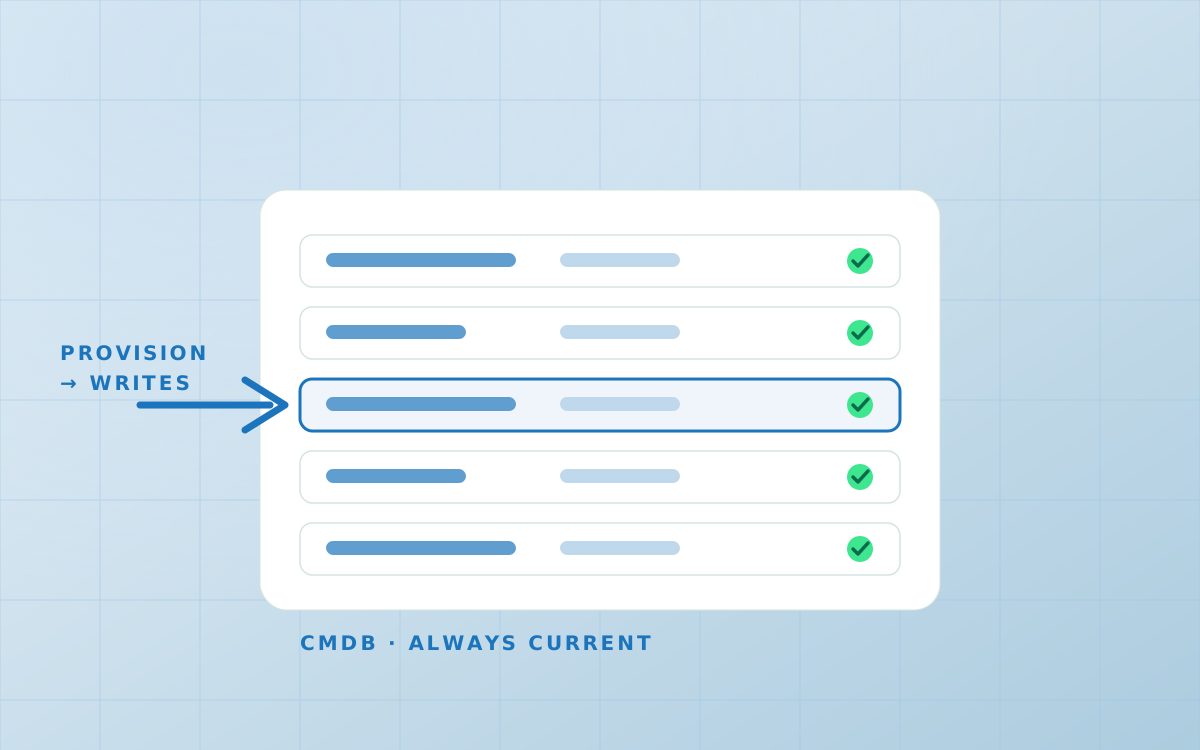
- Provide a single inventory view of all the assets deployed for each customer
- Build Subscription & SLAs Dashboards
- Many more…
Digitizing the ecosystem with blaZop
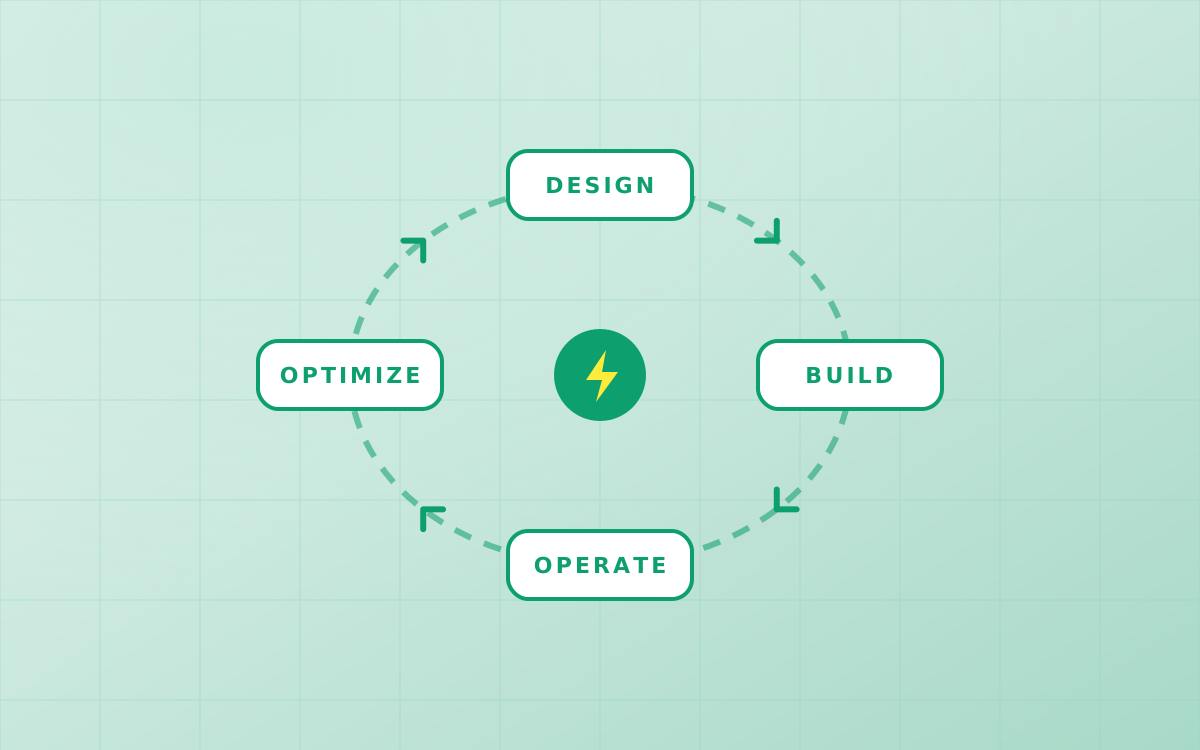
SaaS Teams can focus on their core business and use the blaZop platform to digitize the operating ecosystem. It enables them to reduce their DevOps & engineering costs to build from scratch and reduce the cloud costs by managing each subscription lifecycle. This lifecycle model helps automate deployments, change subscription offerings, and decommission cloud resources when usage is over.
The sooner SaaS teams digitize this process, the easier it becomes to operate. When the business scale, it provides a competitive advantage with significantly low operating costs.
The Multi-tenant Operating Lifecycle
What to remember
- Multi-tenancy is delivered through four common isolation practices: access policies, databases, Kubernetes namespaces, or standalone deployments in customer clouds/private data centers.
- Every isolation practice drags a hidden operating ecosystem behind it — offering models, subscription management, tenant-setup orchestration, RPA-driven compliance, inventory views, and SLA dashboards.
- Building that ecosystem from scratch consumes DevOps and engineering budget that could go to the core product.
- Managing the full subscription lifecycle — deploy, change offerings, decommission when usage ends — is how cloud costs get reduced.
- Digitizing the operating ecosystem early compounds into a competitive advantage of significantly lower operating costs at scale.